8. Goals: further thoughts
As you work on your instructional goals, here are some things to keep in mind.
Make them realistic in terms of time and materials. Don’t plan on your students reading huge thick books or spending hours after majors on your class. Remember that GHP is more than what goes on in your classroom plus students have their minors plus students have their summer AP reading plus they have to eat and sleep sometime.
Also, realistic is not the same as achievable, which your goals do not necessarily have to be. In fact, achievable may be setting your goals too low! There’s that fine line between inspiring and frustrating: find it and make it your home.
In fact, this is a good time to talk about failure. One huge gift you can give your students is the opportunity to fail safely. Celebrate mistakes—celebrate crashing and burning! Remind them over and over: there are no grades, why not just take the chance? Audition for the dance minor, take the NaNoWriMo class, pick a project topic you know nothing about.
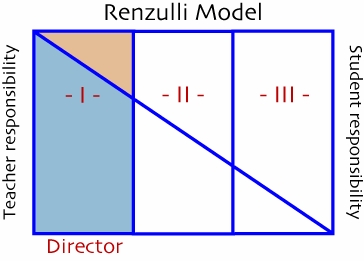
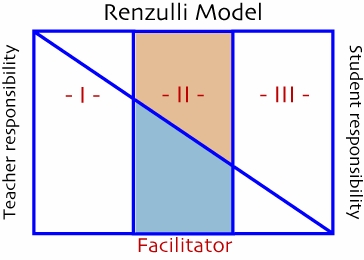
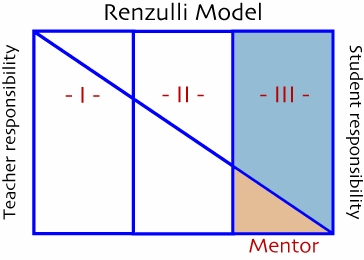
With that in mind, in developing your goals, your expectations need to be high. Assume that what you want them to do, they can do. Remember, above all, that you don’t have to know it for them to learn it. It is perfectly OK for you to explore and learn alongside them. Indeed, in Phase III activities, we hope at least some of your kids leave you in the dust—and so should you!
And then motivate them to do it. “Ad hoc” empowerment, safe failure zone, your dazzling instructional framework: use it all to maximize your agenda.
If for some reason things are not working out, you have several resources. Your fellow department members, your department chair, and us (i.e., Marcie and Dale)—in that order!. That is part of our job, to make this a safe failure zone for you. Remember we’ve been here forever; we’ve probably seen your problem before and might even have a solution at hand. So track us down in the dining hall or poke your head into Marcie’s apartment . That’s what she’s there for.